
Messeregge: Complete Guide to Blade Edge Geometry, Types, and Sharpening
A blade is only as good as its cutting edge. Whether you use a kitchen knife, hunting knife, woodworking tool, or industrial cutting equipment, the quality of the cutting edge directly affects performance. This cutting edge is commonly referred to as the “messeregge.”
The term “messeregge” refers to the sharpened edge of a blade that is specifically designed for cutting, slicing, or carving. While many people focus on the overall shape of a knife, professionals understand that the edge itself is what determines efficiency, durability, precision, and safety.
Understanding the messeregge is important for chefs, craftsmen, outdoor enthusiasts, collectors, manufacturers, and anyone who regularly uses cutting tools. A properly designed edge reduces effort, produces cleaner cuts, stays sharp longer, and improves overall control.
This comprehensive guide explains everything you need to know about the messeregge, including its anatomy, geometry, materials, sharpening methods, maintenance, applications, and future innovations. Whether you are a beginner or an experienced user, this guide will help you better understand how blade edges work and how to choose the right one for your needs.
What Does Messeregge Mean?
The word “messeregge” refers specifically to the sharpened portion of a blade that comes into direct contact with the material being cut.
Although many people use the word “blade” when discussing knives or tools, the blade consists of several parts. The messeregge is only the cutting edge—the thin section that has been ground to create a sharp profile.
Its primary purpose is to concentrate force into an extremely small area, allowing materials to separate with minimal resistance.
Without a properly formed messeregge, even the highest-quality blade becomes ineffective.
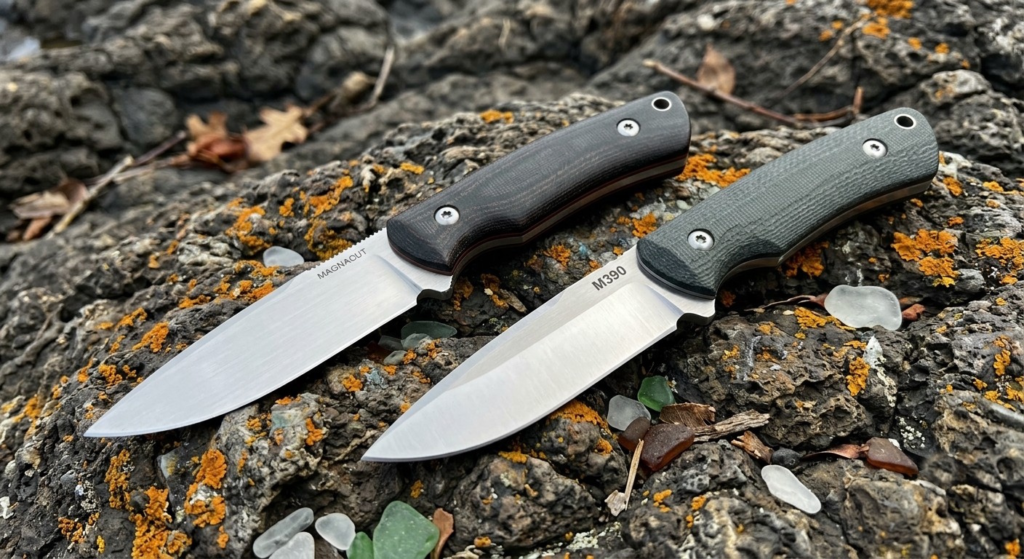
Why the Messeregge Is the Most Important Part of Any Blade
Every blade has a handle, spine, tip, and body, but none of these components performs the actual cutting.
The messeregge is responsible for:
- Clean slicing
- Smooth cutting
- Precision work
- Reduced cutting resistance
- Improved safety
- Better efficiency
- Longer working life
Professionals often judge a blade not by its appearance but by the quality of its edge.
Also Read:Crocolini: The Complete Guide to the Selecta Wooden Crocodile Toy
A premium steel with a poorly shaped messeregge may perform worse than a modest steel with excellent edge geometry.
The Anatomy of a Blade Edge
Understanding the different parts surrounding the messeregge helps explain why blade design matters.
Blade Spine
The thick upper section provides strength and stability.
Blade Face
The flat surface connects the spine to the edge.
Primary Bevel
This is the large angled surface ground toward the cutting edge.
Secondary Bevel
Many knives include a smaller bevel near the edge that creates the actual messeregge.
Apex
The apex is the microscopic point where both sides meet to form the cutting edge.
Tip
The pointed end performs precision cutting.
Together, these parts create a blade that balances strength with cutting ability.
How the Messeregge Works
Cutting occurs because pressure is concentrated at the edge.
Imagine pushing with your finger versus pushing with a needle.
The same amount of force applied to the tiny edge creates much higher pressure.
The thinner and sharper the messeregge, the easier it cuts.
However, making the edge extremely thin can reduce durability.
Finding the right balance between sharpness and strength is one of the biggest challenges in blade design.
Understanding Edge Geometry
Edge geometry describes the shape and angle of the sharpened edge.
This geometry has a major impact on:
- Cutting speed
- Sharpness
- Durability
- Edge retention
- Ease of sharpening
- Resistance to chipping
Even two blades made from identical steel may perform very differently because of their edge geometry.
Common Types of Messeregge
Different cutting tasks require different edge shapes.
Straight Edge
The straight edge is the most common.
Advantages include:
- Easy sharpening
- Clean cuts
- Excellent precision
- Smooth slicing
Common uses:
- Kitchen knives
- Chef knives
- Utility knives
- Wood carving tools
Convex Edge
The convex edge curves outward slightly.
Benefits include:
- Greater strength
- Better durability
- Less chipping
- Excellent heavy-duty performance
Often found on:
- Axes
- Outdoor knives
- Survival knives
- Bushcraft tools
Flat Grind Edge
The flat grind creates an even taper from the spine to the messeregge.
Advantages include:
- Excellent slicing
- Lightweight design
- Easy maintenance
- Good balance
Common applications include food preparation and everyday carry knives.
Hollow Grind
A hollow grind creates a slight inward curve.
Advantages include:
- Extremely sharp
- Very fine cutting
- Excellent precision
Disadvantages:
- Less durable
- Can dull faster during heavy work
Popular for:
- Razors
- Fine carving
- Detail work
Chisel Edge
Only one side is sharpened.
This design provides:
- Excellent control
- Aggressive cutting
- Easy sharpening
Commonly used in:
- Japanese woodworking tools
- Certain chef knives
- Specialty industrial blades
Serrated Edge
Instead of a smooth messeregge, serrated blades feature small teeth.
These teeth grip materials while cutting.
Best suited for:
- Bread
- Rope
- Cardboard
- Tough fabrics
- Fibrous materials
Although serrated edges stay effective for a long time, they require specialized sharpening tools.
How Edge Angle Affects Performance
The sharpening angle determines the balance between sharpness and durability.
10–15 Degrees
Produces an extremely sharp edge.
Ideal for:
- Sushi knives
- Precision slicing
- Fine kitchen work
15–20 Degrees
Provides an excellent balance.
Suitable for:
- Chef knives
- Everyday kitchen use
- Utility knives
20–25 Degrees
Offers increased durability.
Best for:
- Outdoor tools
- Pocket knives
- Hunting knives
25–30 Degrees
Built for strength rather than razor sharpness.
Common in:
- Axes
- Heavy-duty tools
- Industrial cutting equipment
Choosing the correct angle depends entirely on how the blade will be used.
How Blade Steel Affects the Messeregge
The quality of a messeregge depends not only on its shape but also on the steel used to create it. Different types of steel offer different levels of hardness, toughness, corrosion resistance, and edge retention.
A well-designed edge made from high-quality steel can remain sharp much longer than one made from lower-grade materials.
Stainless Steel
Stainless steel is one of the most common materials used for knives and cutting tools.
Advantages include:
- Excellent resistance to rust
- Easy maintenance
- Good durability
- Suitable for everyday use
It is widely used for kitchen knives, pocket knives, and general-purpose blades.
Carbon Steel
Carbon steel has been used for centuries because it can develop an extremely sharp messeregge.
Benefits include:
- Exceptional sharpness
- Easy to sharpen
- Strong cutting performance
However, carbon steel requires more care because it can rust if not cleaned and dried after use.
Tool Steel
Tool steel is designed for demanding work.
It provides:
- High wear resistance
- Strong edge retention
- Excellent toughness
Many industrial blades and woodworking tools use tool steel because they experience constant heavy use.
Powder Metallurgy Steel
Modern manufacturing has introduced powder metallurgy steels that offer outstanding performance.
These advanced steels combine:
- High hardness
- Excellent corrosion resistance
- Long-lasting sharpness
- Improved durability
They are commonly found in premium knives used by professionals and collectors.
Ceramic Blades
Ceramic blades do not contain steel but are worth mentioning because of their unique cutting edge.
Advantages include:
- Extremely sharp
- Lightweight
- Rust-proof
- Long edge retention
Their main disadvantage is brittleness. Ceramic edges can chip or break if dropped or used on hard materials.
Factors That Influence Edge Retention
Edge retention describes how long a messeregge stays sharp during normal use.
Several factors affect this performance.
Steel Hardness
Harder steel generally keeps an edge longer.
However, extremely hard steel may become more brittle.
Manufacturers aim to find a balance between hardness and toughness.
Heat Treatment
Proper heat treatment improves steel performance.
A well-treated blade maintains its messeregge longer than one with poor heat treatment, even if both use the same steel.
Edge Geometry
Thin edges cut easily but may dull faster.
Thicker edges resist damage but require more force to cut.
The best geometry depends on the intended purpose.
Type of Material Being Cut
Soft foods have little impact on the edge.
Cutting materials such as:
- Bone
- Metal
- Glass
- Stone
- Frozen food
can quickly wear or damage a blade.
User Technique
Correct cutting techniques reduce stress on the messeregge.
Twisting, prying, or striking hard objects can damage even the strongest edge.
The Science Behind Sharpness
Many people believe a blade is either sharp or dull.
In reality, sharpness exists on a spectrum.
Under a microscope, even the sharpest messeregge contains tiny irregularities.
A sharp edge has:
- A thin apex
- Minimal rolling
- Few chips
- Smooth bevels
As the blade is used, the apex gradually bends, rolls, or develops microscopic chips.
Eventually, the edge no longer cuts efficiently.
This is why regular maintenance is important.
How the Messeregge Becomes Dull
Every cut creates friction.
Over time, this friction slowly changes the shape of the edge.
Common causes include:
Abrasion
Tiny particles wear away steel during cutting.
Rolling
The thin apex bends sideways instead of remaining perfectly straight.
Micro-Chipping
Small pieces break away from the edge after heavy use.
Corrosion
Rust weakens the edge and accelerates wear.
Impact Damage
Dropping a knife or striking hard surfaces can damage the messeregge instantly.
Understanding these causes helps users avoid unnecessary wear.
Best Sharpening Methods
A dull messeregge can often be restored with proper sharpening.
Different tools provide different results.
Whetstones
Many professionals consider whetstones the best sharpening method.
Benefits include:
- Excellent control
- High precision
- Long-lasting results
- Suitable for most blade types
Sharpening stones are available in different grit levels.
Coarse stones repair damaged edges.
Medium stones restore sharpness.
Fine stones polish the messeregge to a razor finish.
Diamond Stones
Diamond sharpening plates cut steel very quickly.
Advantages include:
- Fast sharpening
- Long lifespan
- Works on very hard steels
These are popular among professionals who sharpen frequently.
Ceramic Rods
Ceramic rods refine and maintain an already sharp edge.
They remove only small amounts of material.
Electric Sharpeners
Electric sharpeners provide convenience.
They work well for household users but remove more steel than manual methods.
Using them too often may shorten the life of a blade.
Understanding Honing vs. Sharpening
Many people confuse honing with sharpening.
They are not the same process.
Honing
Honing realigns the existing messeregge without removing much metal.
It should be performed regularly.
Sharpening
Sharpening removes steel to create an entirely new cutting edge.
This process is only necessary when honing no longer restores performance.
Using both methods correctly greatly extends blade life.
How Often Should You Sharpen a Blade?
The answer depends on usage.
Home Kitchen
Sharpen every few months with regular honing between sharpening sessions.
Also Read:Bropu: The Complete Guide to Human-Centered Technology and Meaningful Digital Connections
Professional Chefs
Professional kitchens may require sharpening every few weeks because knives receive heavy daily use.
Outdoor Users
Hunters and campers should inspect the messeregge before and after each trip.
Industrial Applications
Industrial blades follow maintenance schedules based on operating hours rather than calendar dates.
Routine inspection prevents costly downtime.
Common Sharpening Mistakes
Even high-quality blades can be damaged by poor sharpening habits.
Avoid these common mistakes:
- Using inconsistent angles
- Applying excessive pressure
- Skipping coarse grit when repairing chips
- Failing to remove the burr
- Overheating the edge with power tools
- Using worn-out sharpening stones
- Sharpening too frequently without need
Developing good sharpening habits helps preserve both the blade and the messeregge.
How to Maintain a Messeregge Properly
Proper maintenance keeps a blade performing well for many years.
Follow these best practices:
- Clean the blade immediately after use.
- Dry it thoroughly before storage.
- Store knives in a knife block, sheath, or magnetic strip.
- Avoid cutting on glass, ceramic, or stone surfaces.
- Use wooden or plastic cutting boards.
- Hone the edge regularly.
- Sharpen only when necessary.
- Apply food-safe mineral oil to carbon steel blades to prevent rust.
These simple habits significantly improve edge longevity.
Choosing the Right Messeregge for Different Tasks
Not every edge is suitable for every job.
Selecting the appropriate edge geometry improves efficiency and safety.
Kitchen Cooking
A fine straight edge works best for slicing vegetables, meat, and herbs with precision.
Outdoor Survival
A convex edge is preferred because it withstands heavy chopping, batoning, and rough conditions.
Woodworking
Chisel-ground and flat-ground edges provide the control needed for carving and shaping wood.
Hunting
Hunters often choose a durable edge that balances sharpness with strength for field dressing and skinning game.
Industrial Cutting
Industrial blades are designed with specialized edge profiles to match the materials they cut, such as paper, plastic, textiles, or metal.
By matching the messeregge to the intended application, users achieve better performance and extend the life of the blade.
The Role of the Messeregge in Different Industries
The messeregge is not limited to household knives. It plays an essential role in many industries where cutting accuracy, speed, and consistency are critical. Each industry requires a specific edge design to achieve the best results.
Culinary Industry
Professional chefs rely on a sharp messeregge every day. A properly maintained edge allows them to prepare food faster while maintaining consistent cuts.
Common kitchen tasks include:
- Slicing vegetables
- Cutting meat
- Filleting fish
- Chopping herbs
- Carving cooked foods
A dull edge crushes food instead of cutting it cleanly, which can affect both appearance and texture.
Woodworking Industry
Woodworkers depend on sharp chisels, planes, and carving tools.
A high-quality messeregge helps create:
- Smooth surfaces
- Accurate joints
- Fine carvings
- Clean finishing cuts
Even slight dullness can reduce precision and increase the effort required.
Medical Industry
Surgical instruments require one of the finest cutting edges available.
Medical blades must provide:
- Extreme precision
- Smooth incisions
- Minimal tissue damage
- Reliable performance
Manufacturers carefully inspect every surgical edge to meet strict quality standards.
Industrial Manufacturing
Factories use specialized blades for cutting materials such as:
- Plastic
- Rubber
- Paper
- Fabric
- Foam
- Packaging materials
- Composite materials
Industrial messeregge designs focus on maintaining consistent performance during long production runs.
Agriculture
Farmers use blades for harvesting crops, trimming plants, and processing agricultural products.
A sharp edge improves productivity while reducing operator fatigue.
Outdoor and Survival Applications
Campers, hunters, and survival experts depend on durable blade edges for many outdoor tasks.
These include:
- Preparing firewood
- Building shelters
- Preparing food
- Cutting rope
- Skinning game
- Emergency situations
In these environments, reliability is often more important than achieving a razor-like edge.
How Manufacturers Produce a High-Quality Messeregge
Creating an effective blade edge involves multiple manufacturing steps.
Steel Selection
Everything begins with choosing the appropriate steel.
Manufacturers evaluate:
- Hardness
- Toughness
- Corrosion resistance
- Wear resistance
- Ease of sharpening
Different applications require different steel compositions.
Forging or Stock Removal
Blades are typically made using one of two methods.
Forged blades are shaped from heated steel using pressure.
Stock removal blades are cut from flat steel and then ground into shape.
Both methods can produce excellent results when performed correctly.
Heat Treatment
Heat treatment is one of the most important production stages.
This process strengthens the steel and improves its ability to hold a sharp messeregge.
Poor heat treatment can ruin even the highest-quality steel.
Grinding
Grinding machines shape the blade and create the primary bevel.
Modern equipment allows manufacturers to maintain extremely accurate edge angles.
Sharpening
The final sharpening process creates the cutting edge.
This stage often includes multiple polishing steps to improve cutting performance.
Quality Inspection
Before reaching customers, many premium blades undergo inspection for:
- Edge consistency
- Sharpness
- Straightness
- Surface finish
- Overall craftsmanship
High-end manufacturers may also test cutting performance before shipping.
Modern Innovations in Blade Edge Technology
Blade technology continues to evolve as manufacturers develop new materials and production techniques.
Some recent innovations include:
Laser Edge Inspection
Computer-guided laser systems measure edge geometry with exceptional accuracy.
This helps manufacturers produce more consistent blades.
Cryogenic Treatment
Some premium blades undergo cryogenic treatment after heat treatment.
The steel is cooled to extremely low temperatures to improve:
- Wear resistance
- Stability
- Edge retention
Although not necessary for every knife, this process can enhance premium steels.
Advanced Coatings
Modern blade coatings provide additional protection against corrosion and wear.
Popular coatings include:
- Titanium nitride
- Diamond-like carbon (DLC)
- Ceramic coatings
These coatings also reduce friction during cutting.
Computer-Controlled Grinding
Automated grinding systems allow manufacturers to create highly consistent messeregge profiles.
This improves quality while reducing manufacturing errors.
How to Inspect a Messeregge
Regular inspection helps identify problems before they become serious.
Here are several simple methods.
Visual Inspection
Hold the blade under a bright light.
A sharp edge reflects very little light.
Bright reflections usually indicate dull or damaged areas.
Paper Test
A properly sharpened messeregge should slice cleanly through paper without tearing.
This is one of the easiest ways to check sharpness.
Tomato Test
A sharp kitchen knife should cut through a tomato’s skin with little pressure.
If the blade slips, it likely needs maintenance.
Magnification
Professionals often use magnifying lenses to inspect:
- Chips
- Rolls
- Uneven bevels
- Corrosion
- Edge defects
Signs That Your Blade Needs Attention
Watch for these common warning signs:
- Increased cutting resistance
- Rough or uneven cuts
- Slipping while cutting
- Visible chips
- Bent edge
- Rust spots
- Poor slicing performance
Addressing these issues early prevents more serious damage.
Common Myths About the Messeregge
Many misconceptions exist about blade edges.
Myth 1: Harder Steel Is Always Better
Hard steel often holds an edge longer, but it may also become more brittle.
The best choice depends on the intended use.
Myth 2: A Sharper Knife Is More Dangerous
A properly sharpened knife is often safer.
Sharp blades require less force, giving users greater control.
Most accidents occur because dull blades slip during use.
Myth 3: Expensive Knives Never Need Sharpening
Every cutting edge eventually becomes dull.
Premium knives usually retain their edge longer, but they still require maintenance.
Myth 4: Sharpening Ruins a Knife
Correct sharpening extends a knife’s life.
Improper sharpening techniques—not sharpening itself—cause damage.
Myth 5: All Edge Angles Are the Same
Different cutting tasks require different edge angles.
There is no single angle that works best for every application.
Expert Tips for Extending the Life of a Messeregge
Professionals follow simple habits that keep blade edges performing at their best.
Also Read:Adultsrach: Complete Guide to This Emerging Digital Search Trend
Consider these recommendations:
- Use the right knife for the job.
- Never use a knife as a screwdriver or pry bar.
- Avoid twisting the blade while cutting.
- Wash knives by hand instead of using a dishwasher.
- Dry blades immediately after cleaning.
- Store blades where the edge cannot strike other objects.
- Hone the edge regularly.
- Sharpen before the blade becomes extremely dull.
- Choose the proper cutting surface.
- Inspect the edge frequently for signs of wear.
These habits reduce unnecessary stress and help preserve cutting performance for years.
The Future of the Messeregge
Blade technology continues to improve as material science advances.
In the future, we can expect:
- Stronger high-performance steels
- Longer-lasting edge retention
- More environmentally friendly manufacturing
- AI-assisted blade design
- Greater precision through robotic grinding
- Improved corrosion-resistant materials
- Smart quality-control systems that inspect every edge automatically
As these innovations become more widely available, users will benefit from blades that require less maintenance while delivering better performance.
Conclusion
The messeregge is the heart of every cutting tool. While blade design, handle comfort, and steel quality all contribute to performance, it is the cutting edge that determines how efficiently a blade performs its intended task.
Understanding edge geometry, steel selection, sharpening methods, and proper maintenance allows users to make informed decisions and get the best results from their tools. Whether you are preparing meals in a kitchen, carving wood in a workshop, working in an industrial setting, or exploring the outdoors, choosing the right messeregge can improve precision, safety, and overall efficiency.
As manufacturing technology continues to evolve, blade edges are becoming more durable, consistent, and specialized. By combining modern innovations with good maintenance habits, users can enjoy reliable cutting performance for many years.
FAQs About Messeregge
What does the term “messeregge” mean?
Messeregge refers to the sharpened cutting edge of a blade that performs the actual cutting or slicing action.
Can every blade have the same type of messeregge?
No. Different blades are designed for different purposes, so the edge geometry varies depending on whether the blade is intended for slicing, chopping, carving, or heavy-duty work.
Does blade thickness affect the messeregge?
Yes. A thinner blade generally cuts more easily, while a thicker blade provides greater strength and durability for demanding tasks.
Is a polished edge always better than a toothy edge?
Not necessarily. A polished edge excels at smooth slicing, while a slightly toothy edge can grip fibrous materials more effectively.
Can humidity damage a messeregge?
Yes. Moisture can cause corrosion, especially on carbon steel blades, reducing sharpness and weakening the edge over time.
Why do professional chefs hone their knives so often?
Honing realigns the edge during daily use, helping maintain cutting performance without removing significant amounts of steel.
How can I tell if my sharpening angle is correct?
Using a sharpening guide, angle guide, or marker test can help ensure a consistent angle across the entire edge.